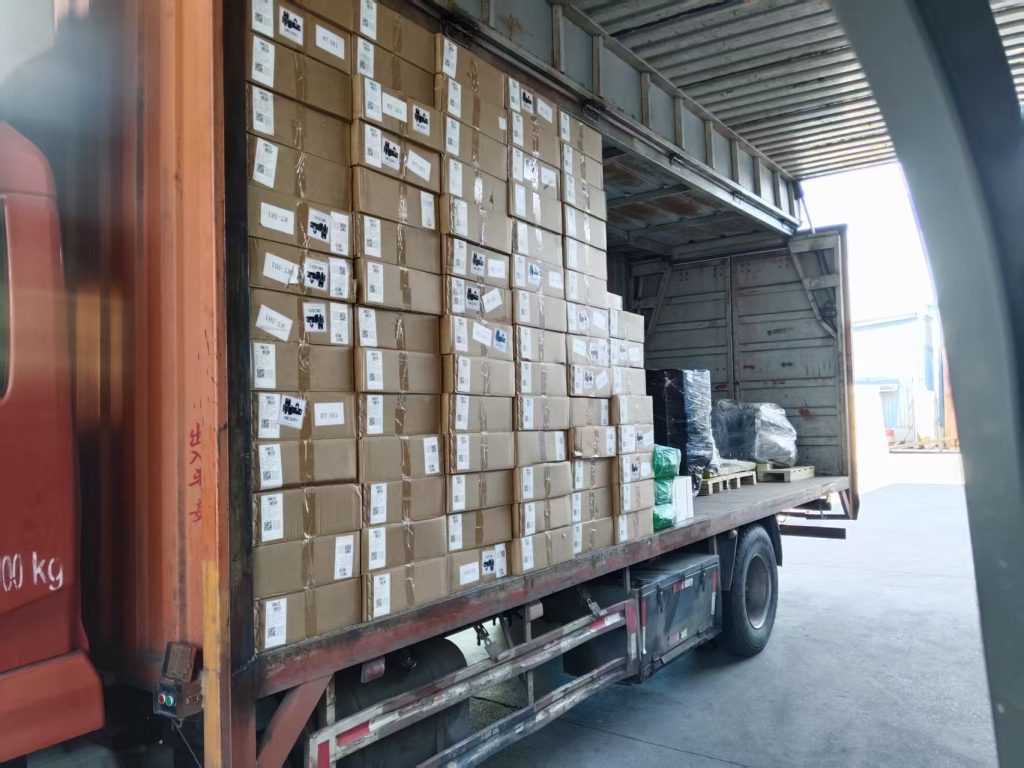
Lithium batteries (including pure lithium batteries and lithium battery-containing equipment) are dangerous goods regulated by the International Maritime Dangerous Goods Code (IMDG Code). Common classifications include UN3480 (lithium-ion batteries), UN3090 (lithium metal batteries), UN3171 (equipment containing lithium batteries, such as new energy vehicles), etc. Exportation must strictly follow the dangerous goods compliance process. The following is a detailed explanation of the full process of lithium battery export, covering core links such as pre-preparation, transportation planning, booking and declaration, customs declaration and release, to ensure a smooth and compliant export process.
- Pre-preparation: Compliance Classification and Document Preparation
- Confirmation of Dangerous Goods Classification: First, clarify the type of lithium battery (lithium-ion/lithium metal, pure battery/battery-containing equipment), and determine the corresponding UN number, danger class (mostly Class 9 Dangerous Goods) and packaging grade in accordance with the IMDG Code to avoid process delays caused by incorrect classification.
- Handling of Core Compliance Documents:
– UN38.3 Test Report: A mandatory document for lithium battery export, which must be issued by a qualified third-party organization to prove that the battery has passed safety tests such as altitude, temperature, vibration, and impact, and meets transportation safety requirements.
– MSDS (Material Safety Data Sheet): Both Chinese and English versions must be provided, specifying key information such as lithium battery composition, dangerous characteristics, safety protection measures, and emergency handling methods to ensure accurate and complete content.
– Dangerous Goods Packaging Certificate/Exemption Certificate: Handle the corresponding Dangerous Goods Packaging Certificate (such as Inspection Result Sheet for the Use of Export Dangerous Goods Transport Packaging) according to the packaging form (e.g., cartons, gas cylinders, IBC ton drums); if it meets the requirements for limited quantity transportation, a Limited Quantity Dangerous Goods Certificate can be applied for; small air transport packages can apply for exemption from dangerous goods packaging as required.
– Other Supplementary Documents: Such as lithium battery model and specification confirmation, short-circuit prevention measures, product qualification certificate, etc. (supplemented according to the export region and transportation method).
- Enterprise Qualification Verification: Confirm that the enterprise has import and export operation rights and complete the registration of foreign trade operators; if entrusting an agent company to operate, sign an agency agreement in advance to clarify the rights and obligations of both parties.
- Transportation Plan Planning: Selection Based on Goods Characteristics
- Selection of Transportation Method: Common transportation methods for lithium battery export are sea freight and air freight, which need to be comprehensively considered based on the quantity of goods, time requirements, and cost budget:
– Sea Freight: Suitable for large quantities of goods with low cost but long time efficiency; it is necessary to select shipping companies and freight forwarders with dangerous goods transportation qualifications to ensure that the ships meet the requirements of the IMDG Code.
– Air Freight: Suitable for small quantities and urgent goods with fast time efficiency but high cost; it is necessary to strictly abide by the rules of the International Air Transport Association (IATA) and confirm that the airline accepts the type of lithium battery transportation (some airlines have special restrictions on the transportation of pure lithium batteries).
- Packaging and Reinforcement: Use packaging that meets the standards for dangerous goods transportation (such as UN certified packaging), and take measures such as short-circuit prevention (e.g., insulation treatment of battery positive and negative electrodes), anti-collision, and anti-leakage inside; dangerous goods labels (such as Class 9 Dangerous Goods label, UN number label, battery operation label) must be pasted on the outer packaging to ensure clear and standardized identification.
- Transportation Route Planning: Avoid prohibited areas, understand the import policies of the destination port/destination in advance (e.g., some countries require additional customs clearance documents for lithium battery imports), and plan the optimal transportation route.
III. Booking and Maritime/Air Declaration
- Booking Entrustment: Submit a booking confirmation to a freight forwarder with dangerous goods booking qualifications, specifying goods information (UN number, product name, quantity, weight, packaging form), transportation method, port of departure, port of destination, time requirements, etc.; after the freight forwarder reviews the information, submit the booking application to the shipping company/airline.
- Maritime Declaration (Applicable to Sea Freight): Prepare maritime declaration materials, including declaration application report, business license, UN38.3 Test Report, MSDS, Dangerous Goods Packaging Certificate, goods list, etc., and submit them to the maritime bureau of the port of departure for review; after passing the review, obtain the maritime release certificate.
- Air Declaration (Applicable to Air Freight): Prepare air transport documents in accordance with IATA requirements, including air waybill, dangerous goods declaration form, MSDS, UN38.3 Test Report, exemption certificate (if any), etc., and submit them to the airline or air freight forwarder for review to ensure compliance with air transport safety requirements.
- Customs Declaration and Release
- Preparation of Customs Declaration Materials: Organize the required customs declaration materials, including commercial invoice, packing list, customs declaration power of attorney, export license (if required by regulatory conditions), Dangerous Goods Packaging Certificate, MSDS, UN38.3 Test Report, etc., to ensure that the product name, specification, quantity, and weight of all materials are consistent.
- Customs Declaration Submission: The freight forwarder or the enterprise itself submits the customs declaration application to the customs. The customs reviews the materials and may inspect the goods (verify packaging, labels, authenticity of goods, etc.).
- Payment of Taxes and Fees and Release: If the goods involve export taxes and fees, after paying as required, the customs will review and release the goods and issue a customs clearance certificate.
- Loading and Transportation Tracking
- Loading on Board/Aircraft: According to the arrangement of the shipping company/airline, transport the goods to the designated terminal/airport warehouse, and professional personnel complete the loading operation to ensure that the goods stacking meets the requirements of dangerous goods transportation (e.g., away from fire sources and heat sources, avoiding extrusion).
- Transportation Tracking: The freight forwarder or shipping company/airline provides transportation tracking information. The enterprise can pay real-time attention to the transportation status of the goods and timely grasp the arrival time at the port/destination.
- Destination Port Customs Clearance and Delivery: After the goods arrive at the destination port, notify the consignee to prepare import customs clearance materials (such as commercial invoice, packing list, MSDS, import license, etc.) and cooperate to complete the customs clearance process; after customs clearance, arrange for goods delivery or consignee’s self-pickup.
- Key Notes
- Document Consistency: The product name, battery model, UN number, quantity, and weight in all documents (MSDS, UN38.3 Test Report, Dangerous Goods Packaging Certificate, customs declaration materials, etc.) must be completely consistent to avoid review rejection or inspection delays due to inconsistent information.
- Compliance Update: Pay close attention to the updates of the IMDG Code, IATA rules and the import and export policies of various countries, and adjust the export operations in a timely manner to ensure full compliance.
- Emergency Preparation: Formulate an emergency plan for dangerous goods transportation in advance. If problems such as battery leakage and short circuit occur during transportation, handle them in accordance with the MSDS and emergency procedures, and notify the relevant departments in a timely manner.
- Agent Selection: It is recommended to choose a freight forwarder/agent with rich experience in lithium battery dangerous goods export to ensure that they are familiar with the full-process operation and compliance requirements and reduce export risks.