Date:2024-03-09
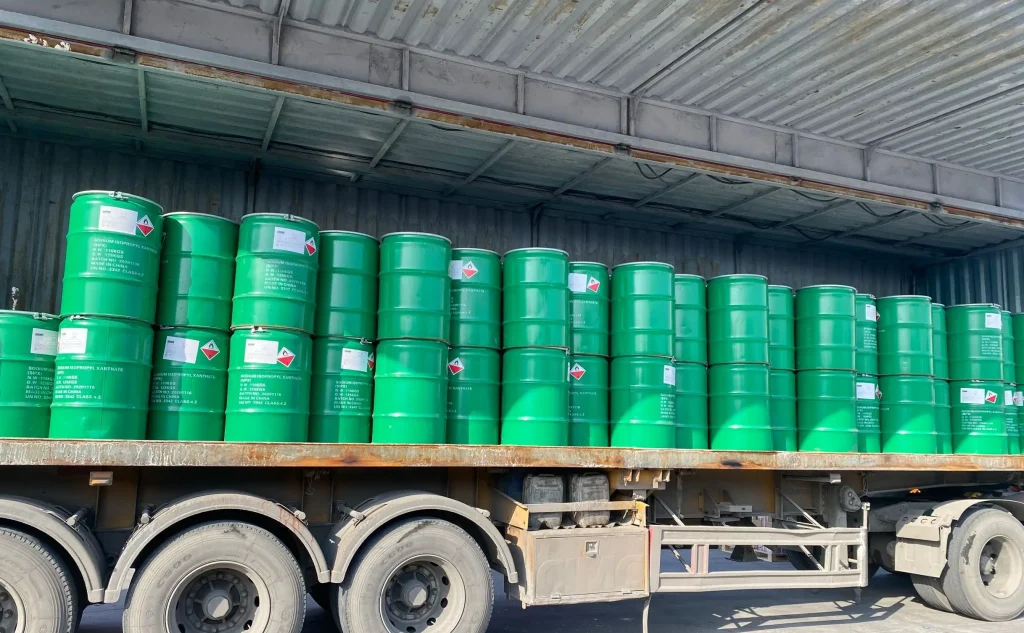
Class 3 Dangerous Goods refer to flammable liquids, which are liquids or liquid mixtures with a closed-cup flash point ≤ 60℃. Common categories include gasoline, ethanol, paint, banana oil, etc. Due to strict safety control requirements, the export process of such goods is more complex than that of ordinary goods, and it is necessary to strictly comply with the relevant laws and regulations of the country of origin and the destination country. The following is the complete operation process and key precautions for the export of Class 3 Dangerous Goods, helping enterprises efficiently and compliantly complete export business.
Export enterprises shall hold the Registration Form for Foreign Trade Operators. If it is a production-oriented enterprise, it shall also have a Production License for Hazardous Chemicals; if it is a trade-oriented enterprise, it shall ensure that the supplier has the corresponding production or operation qualifications. Meanwhile, the enterprise shall complete the registration of consignor/consignee of import and export goods with the customs and obtain the customs declaration right. In addition, the export of Class 3 Dangerous Goods shall cooperate with freight forwarders or logistics enterprises with dangerous goods transportation qualifications to ensure the compliance of the transportation link.
Clarify the specific attributes of the goods, including product name, composition, flash point, boiling point, UN number (United Nations Dangerous Goods Number, e.g., ethanol UN1170), dangerous class (Class 3), and packaging class (Class I/II/III, divided according to flash point and initial boiling point). Determine the HS code of the goods through the Catalogue of Hazardous Chemicals and HS coding classification rules, and verify whether an export license is required (some Class 3 Dangerous Goods require the Dual-Use Items and Technologies Export License, etc.).
Necessary documents include: ① Commercial Invoice; ② Packing List; ③ Customs Declaration Form; ④ Inspection Result Sheet for the Use of Dangerous Goods Packaging (referred to as “Dangerous Goods Packaging Certificate”, issued by the inspection and quarantine department to prove that the packaging meets transportation safety requirements); ⑤ Safety Data Sheet (SDS/MSDS, which shall include 16 standard items, clarifying the dangerous characteristics and safe disposal methods of the goods); ⑥ Certificate of Origin (required if the destination country requires it to enjoy tariff preferences); ⑦ Sales Contract. If the goods involve special supervision, corresponding license documents shall also be provided.
Class 3 Dangerous Goods shall use UN standard dangerous goods packaging. The packaging material shall match the characteristics of the goods (e.g., corrosion resistance, leak proof), and the packaging shall be printed with clear UN number, dangerous class label (the label for Class 3 flammable liquids is a red diamond marked with “Flammable Liquid”), packaging class, net weight, manufacturer and other information. After packaging, it is necessary to entrust the inspection and quarantine department to conduct packaging performance inspection and use appraisal, and obtain the Dangerous Goods Packaging Certificate. Goods without a qualified Dangerous Goods Packaging Certificate shall not be exported.
During loading, avoid collision and leakage of goods, and take corresponding reinforcement measures (e.g., filling buffer materials) according to the packaging class. For container transportation, special dangerous goods containers shall be used. Dangerous goods signs and emergency contact numbers shall be posted inside the container, and dangerous goods signs that meet international standards shall be hung outside the container. Meanwhile, the information of the consignee and consignor shall be marked on the outer packaging of the goods to ensure traceability during transportation.
III. Booking and Transportation: Selection of Compliant Logistics Solutions
Choose a freight forwarder with dangerous goods transportation qualifications and rich experience in handling Class 3 Dangerous Goods, and submit booking documents to it, including: Booking Note, SDS/MSDS, Dangerous Goods Packaging Certificate, Goods List, etc. The freight forwarder shall confirm with the shipping company whether the goods can be accepted (some shipping companies have special requirements on the flash point and packaging class of Class 3 Dangerous Goods) and submit dangerous goods declaration materials.
The freight forwarder assists the enterprise in going through the dangerous goods declaration procedures with the maritime department, submits the Dangerous Goods Declaration Form and relevant materials, and after passing the review, the shipping company confirms the shipping space. It should be noted that the declaration time node usually needs to be completed 3-5 working days before the closing date to avoid affecting the loading plan.
Arrange vehicles with dangerous goods transportation qualifications for inland transportation. During transportation, it is necessary to abide by the regulations on dangerous goods transportation routes and time (e.g., avoiding residential areas, schools and other areas, and prohibiting transportation at night, etc.). After the goods are transported to the port, they are received by the special dangerous goods yard of the port. After passing the inspection by the inspection and quarantine department, loading is arranged. Professional personnel shall operate during loading to ensure the safe loading of goods.
According to relevant national regulations, some hazardous chemicals need to go through inspection procedures before export. Submit the Inspection Application Form, SDS/MSDS, Dangerous Goods Packaging Certificate, Contract, Invoice and other materials to the inspection and quarantine department, and obtain the Customs Clearance Certificate for Export Goods after passing the inspection.
Submit customs declaration materials to the customs, including: Customs Declaration Form, Commercial Invoice, Packing List, Contract, Dangerous Goods Packaging Certificate, SDS/MSDS, Customs Clearance Certificate for Export Goods (if any), license documents (if any), etc. The customs reviews the materials and may inspect the goods. After verifying that the goods are consistent with the declared information and the packaging is compliant, the tax collection (if any) and release procedures are completed.
Provide the foreign customer with the documents required for customs clearance at the destination country in advance, including: Commercial Invoice, Packing List, SDS/MSDS, Certificate of Origin, Dangerous Goods Label Confirmation Document, etc. Different countries have different customs clearance requirements for Class 3 Dangerous Goods (e.g., some countries require a local recognized SDS version, dangerous goods import license, etc.), which need to be verified and prepared in advance.
After the goods are loaded on board, the freight forwarder provides the Bill of Lading to the enterprise. The enterprise sends the Bill of Lading and customs clearance documents to the foreign customer to assist the customer in completing customs clearance at the destination country. Meanwhile, track the transportation status of the goods and timely handle problems arising during transportation (e.g., delay, inspection, etc.). After the delivery of the goods, sort out the export documents and complete subsequent work such as foreign exchange settlement.
Telephone
Copyright @ 2026 SHANGHAI JINGTIAN GONGSI No:84506