Date:2021-10-09
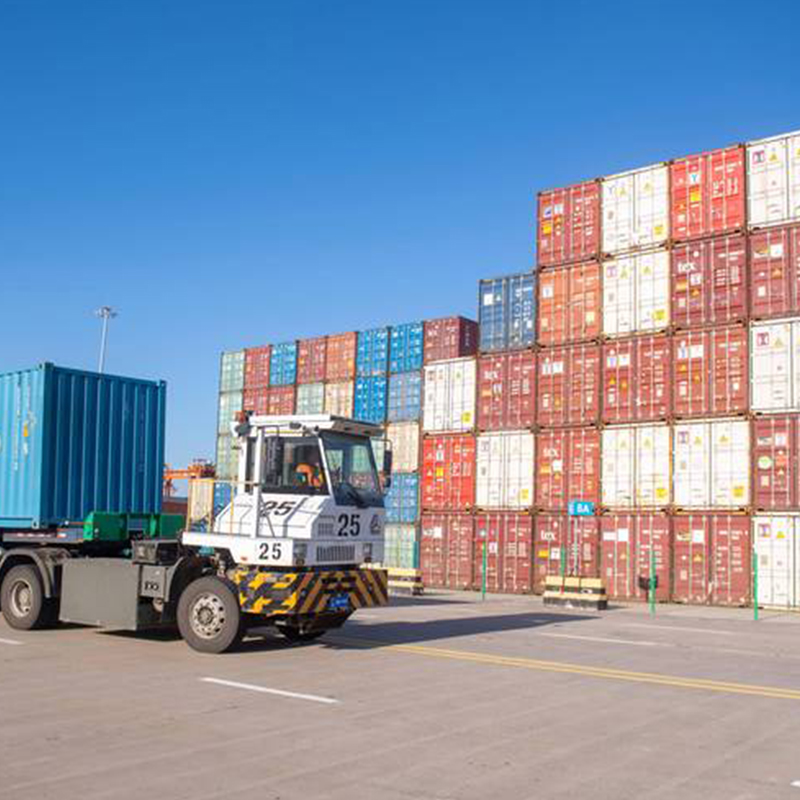
The selection of dangerous goods transportation methods should be comprehensively determined based on cargo characteristics, transportation distance, batch size, and timeliness requirements, with the core goal of ensuring the safety and compliance of the entire transportation process. Currently, the mainstream transportation methods for dangerous goods are divided into four categories: road transportation, railway transportation, maritime transportation, and air transportation. The applicable scenarios, advantages, disadvantages, and core precautions of each method are as follows:
Applicable Scenarios: Short-distance, small-batch transportation, and emergency transportation demand scenarios.
Core Advantages: High flexibility, enabling door-to-door transportation connection; high transportation efficiency, relatively less restricted by weather factors.
Precautions: Strictly control driving speed to avoid increased accident risks due to excessive speed; special vehicles that meet dangerous goods transportation standards must be used, and professional drivers and escorts with corresponding qualifications should be equipped.
Applicable Scenarios: Long-distance, large-batch transportation, and scenarios with stable transportation demand.
Core Advantages: Large carrying capacity and low unit transportation cost; stable transportation process, less affected by external environments (such as weather and road conditions).
Precautions: Strong site constraints, requiring railway stations and special transportation routes for operation; the transportation connection process should be planned in advance to ensure the smooth transfer of goods between railway stations and other transportation links.
Applicable Scenarios: Large-batch, long-distance transportation scenarios in coastal and riverside areas.
Core Advantages: Low energy consumption, significant advantage in unit transportation cost; extremely large carrying capacity, capable of meeting the transportation needs of ultra-large batches of dangerous goods.
Precautions: Significantly restricted by climatic conditions, severe weather such as typhoons, heavy rains, and heavy fogs are likely to cause transportation delays; special ships and containers that comply with dangerous goods transportation specifications must be used, and relevant maritime transportation safety management regulations should be strictly followed.
Applicable Scenarios: Long-distance transportation scenarios under emergency needs, and dangerous goods transportation needs requiring rapid delivery.
Core Advantages: Extremely high transportation efficiency, which can greatly shorten the long-distance transportation time; high safety during transportation with strict control processes.
Precautions: High transportation cost, more stringent requirements on cargo packaging, category restrictions, and declaration materials; it is necessary to confirm in advance whether the goods meet the air dangerous goods transportation standards to ensure the compliance of the declaration process.
In summary, each type of dangerous goods transportation method has clear advantages and disadvantages. In the actual booking process, it is necessary to select an appropriate transportation method based on the specific category of dangerous goods, cargo batch, transportation timeliness requirements, and cost budget to ensure the entire transportation process is safe, legal, and efficient.
Telephone
Copyright @ 2026 SHANGHAI JINGTIAN GONGSI No:84506